The store will not work correctly when cookies are disabled.
We use cookies to personalise content and.to provide social media features and to analyse our traffic. We also share information about your use of our site with our social media, advertising and analytics partners who may combine it with other information that you've provided to them or that they've collected from your use of their services.AllowDo Not Allow
Does Lip Balm Expire? How to Tell (and Why Preservative-Free Matters)
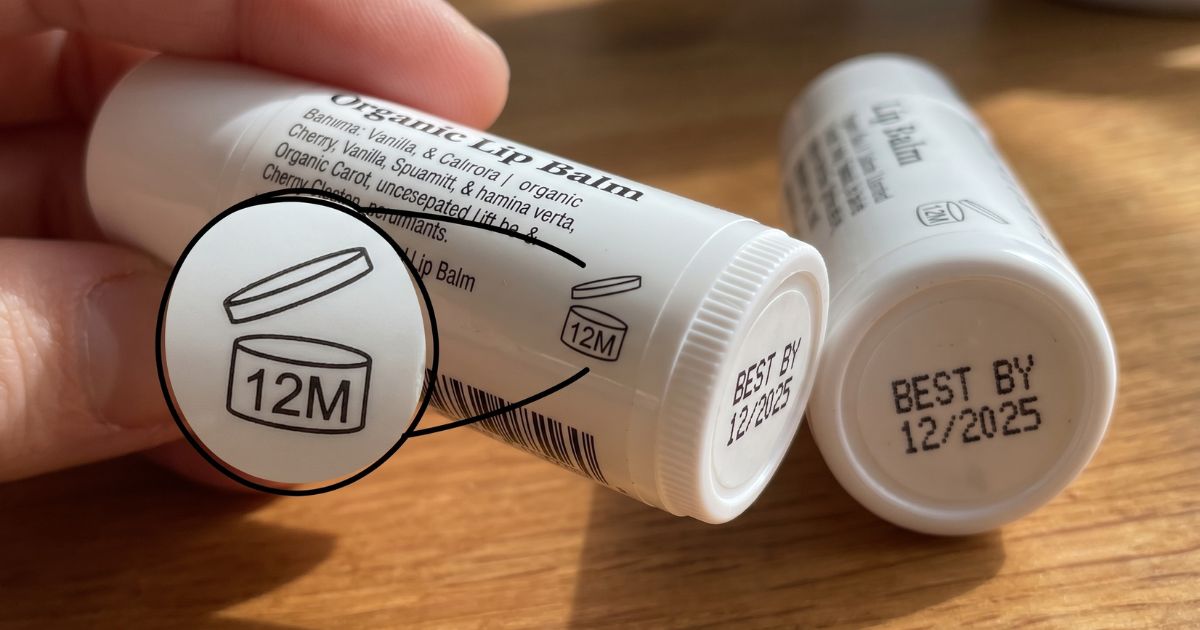
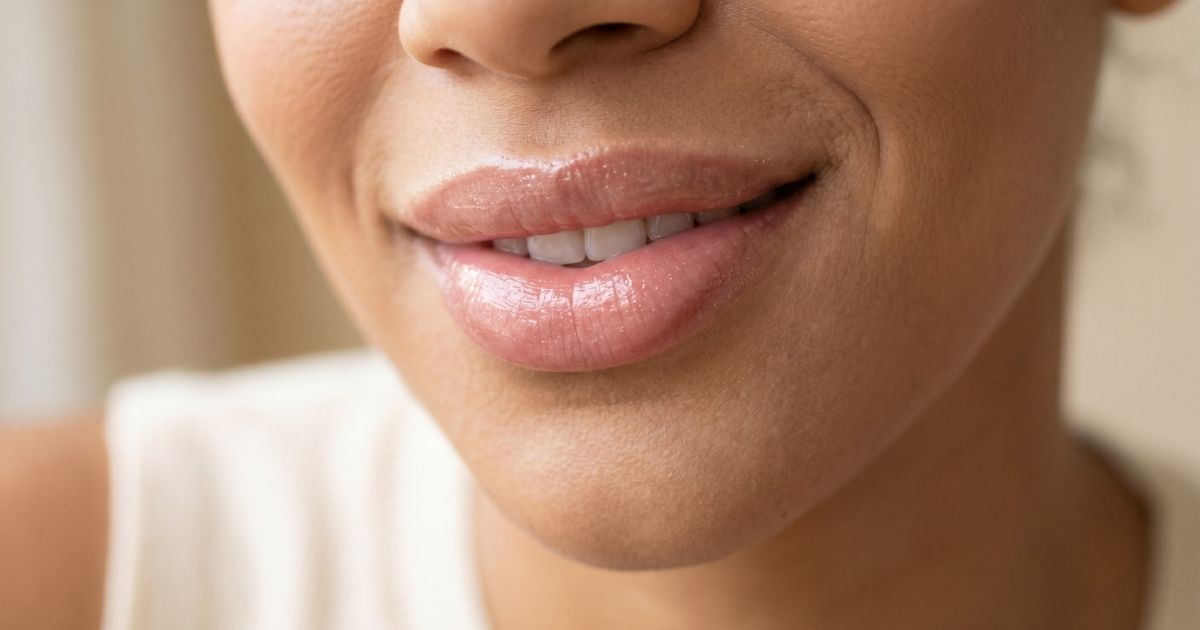
You’ve almost certainly got one rattling around a bag or coat pocket that’s been there since… well, you’d rather not say. It still twists up, still glides on, so it’s fine, right? Not necessarily. Lip balm does expire—and the more natural your balm, the sooner it happens. Here’s the honest version of how lip balm shelf life works, how to tell when yours has turned, and why “no preservatives” comes with a small catch worth knowing
Beeswax vs. Plant Waxes: What’s Actually in Natural Lip Balm
Flip over a natural lip balm and you’ll almost always find a wax near the top of the ingredient list. It’s the unsung structural hero—the reason your balm holds its shape in the tube instead of pooling into a sad little puddle. But not all waxes are the same, and the beeswax vs. candelilla question turns out to be more interesting than “one’s from bees, one’s from a plant.” They behave differently on your lips, they carry different ethics,
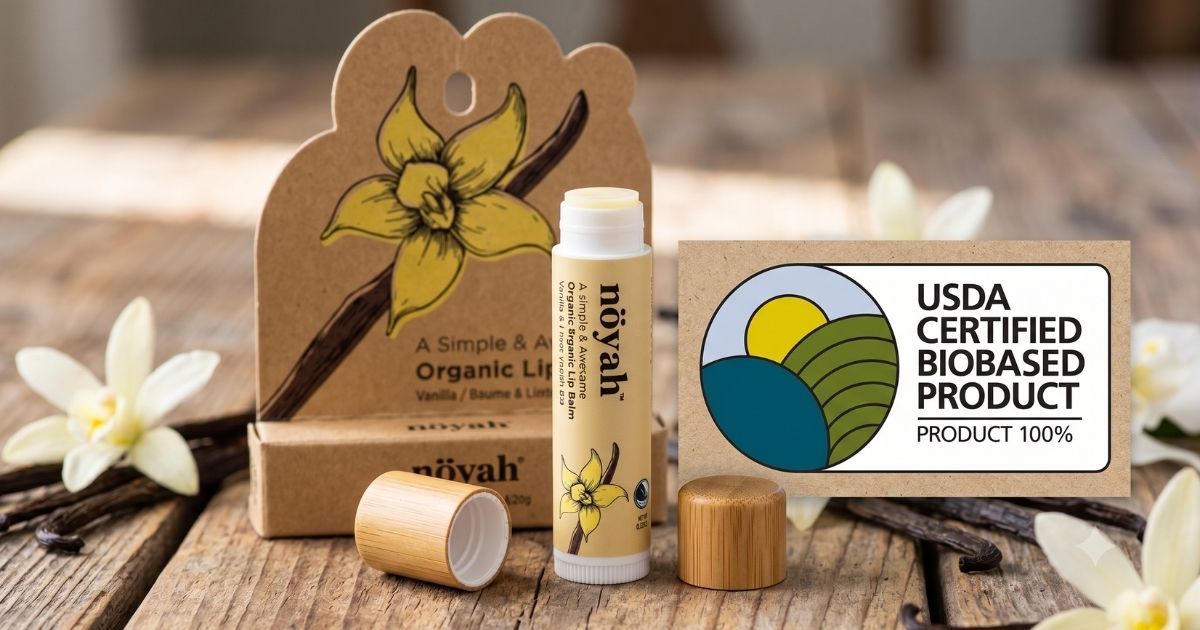
You’ve seen the seal—a little circle that says USDA Certified Biobased, often with a percentage stamped on it. It looks official because it is, but “biobased” isn’t exactly a word that comes up at dinner. So what does USDA Certified Biobased actually mean, and is it the green badge of honor it appears to be? The short answer: it’s a real, government-backed, lab-verified claim that measures one very specific thing—and understanding exactly what that thing
Are Lip Plumpers Safe? What That Tingle Is Really Doing
You swipe on the plumper, and a few seconds later: the tingle. Maybe a warm buzz, maybe a full-on sting that makes your eyes water a little. The lips look fuller, so the burning feels like proof that it’s working. But what is that sensation, exactly—and are lip plumpers safe to keep using? The honest answer is that the tingle isn’t a bonus side effect of the plumping. In most plumpers, the tingle is the entire mechanism. Once you know what’s
The Real Difference Between “Natural,” “Organic,” and “Clean” Beauty
Walk down any beauty aisle and you’ll be promised a lot: natural this, clean that, organic everything. The words feel reassuring and roughly interchangeable, like synonyms for “good for you.” Here’s the uncomfortable truth that the natural vs. organic vs. clean beauty debate usually skips: most of those words mean whatever the brand wants them to mean. Only one of the three is backed by a legal standard and a third party checking


Validate your login
Create New Account