
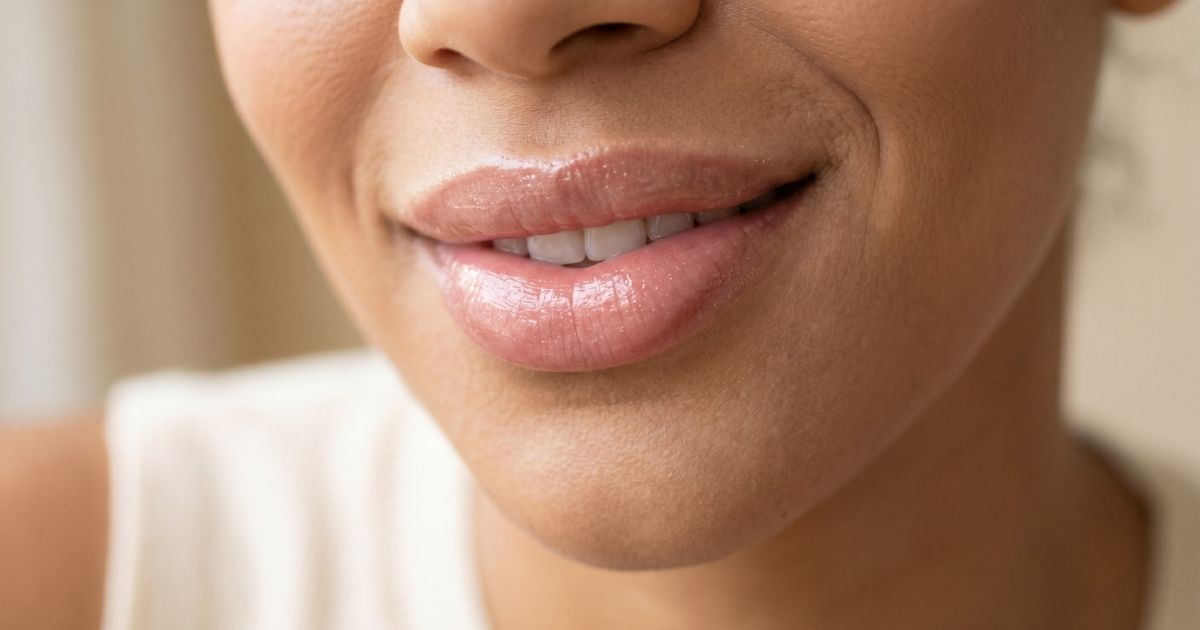
Are Lip Plumpers Safe? What That Tingle Is Really Doing
You swipe on the plumper, and a few seconds later: the tingle. Maybe a warm buzz, maybe a full-on sting that makes your eyes water a little. The lips look fuller, so the burning feels like proof that it’s working. But what is that sensation, exactly—and are lip plumpers safe to keep using? The honest answer is that the tingle isn’t a bonus side effect of the plumping. In most plumpers, the tingle is the entire mechanism. Once you know what’s really happening, you can decide whether it’s a trade you want to make.
What lip plumpers actually do
Most traditional lip plumpers work by deliberately irritating your lips. The active ingredients are mild irritants that provoke a small inflammatory response: blood rushes to the surface, the tissue swells slightly, and your lips look temporarily fuller and a touch rosier. That’s it. The “plump” is controlled, low-grade swelling—your body reacting to what it perceives as a minor insult.
Dermatologists are refreshingly blunt about this. Dr. Joshua Zeichner, a dermatologist at Mount Sinai Hospital in New York, explains that most lip plumpers work by causing irritation to the lip skin, which produces swelling and increased blood flow, with effects lasting at most a few hours. The tingle you feel as it kicks in? That’s the irritation in action. It’s not adding volume to your lips so much as inflaming them into looking bigger for an hour or two.
The usual tingle suspects
If your plumper stings, look for these on the label. They’re the workhorses of the genre, and they’re there to irritate, not to nourish:
- Capsaicin / capsicum (chili pepper extract) — the same compound that makes peppers hot; it activates nerve endings and pulls blood to the area.
- Menthol and peppermint — that cooling ‘zing’ is mild irritation; menthol is also drying.
- Cinnamon / cinnamal — a warming irritant and, notably, a common contact allergen.
- Ginger, camphor, wintergreen — other irritant-and-warming actives used to provoke the same flush.
There’s a second, gentler category worth knowing about: hydration-based plumpers built on hyaluronic acid and peptides. These don’t sting because they don’t irritate—they draw moisture into the lips and smooth the surface for a subtler, comfort-first fullness. Same goal, very different mechanism.
So—are they safe?
For most people, an occasional irritant-based plumper is not dangerous. Dermatologists generally consider them safe to use as long as you’re not allergic to the ingredients and you don’t overdo it. A short-lived tingle and a bit of temporary swelling is, for many users, a manageable trade for a few hours of fuller-looking lips.
The key caveats are real, though. “Generally safe in moderation” is doing some quiet work in that sentence. The sensation should feel like a gentle buzz, not a genuine burn. And the operative word is occasional—because the mechanism that makes plumpers work is also what makes overusing them a problem.
The catch: irritation isn’t free
Your lips are not a robust surface to begin with. As we’ve written about, lip skin is exceptionally thin, has no oil glands, and loses moisture fast. Repeatedly, deliberately irritating that fragile tissue has consequences beyond the pleasant tingle.
In the short term, plumpers can leave lips dry, tight, red, or flaky once the effect fades—ironic, given that dry lips look thinner and more lined, the opposite of the goal. More importantly, consistent irritation over time can actually damage the delicate skin and, some experts caution, contribute to thinning. Chase a fuller pout hard enough with an irritant and you can end up with the exact look you were trying to avoid. There’s also the allergy angle: cinnamal in particular is a frequent trigger, and repeated exposure can sensitize skin that was fine with it at first.
Who should skip them entirely
Some people should give irritant plumpers a wide berth, not just use them sparingly:
- Anyone with sensitive lips, eczema, or contact dermatitis — the irritation lands harder and lingers.
- Anyone with an active cold sore — irritating the area is a bad idea.
- Anyone allergic to peppers, mint, or cinnamon — these are exactly the actives in play.
- Anyone with recent or planned lip filler — dermatologists generally advise waiting; check with your provider.
If you’re pregnant or unsure, it’s worth a quick word with a dermatologist, since skin sensitivity can shift. And whatever your situation, patch-testing a new plumper—on your inner wrist, then a small corner of the lip—catches a reaction before your whole mouth is involved. None of this is medical advice; if your lips react badly, stop and talk to a professional.
How to get fuller-looking lips the gentle way
If you love the look but not the inflammation, you have options that don’t rely on stinging:
- Keep lips smooth and hydrated. Well-moisturized lips simply look fuller and less lined than dry ones. A rich balm does quiet, cumulative work that a quick irritant flush can’t.
- Exfoliate gently and occasionally. Buffing away flakes makes lips look plumper and helps balm absorb—just go easy, since over-scrubbing irritates.
- Use a hydration-based plumper if you want the product. Hyaluronic acid and peptide formulas plump through moisture, not irritation. Less drama, gentler on the barrier.
- Try a glossy finish. Light reflects off a glossy surface and reads as fullness, no swelling required. The oldest trick, and a painless one.
- Protect against sun. UV thins lip skin over time, which works against fullness. A daytime balm with SPF is plumping insurance.
Where Noyah comes in
You may have noticed a theme across our writing: we’re not fans of putting irritants on lips. The menthol-cinnamon-camphor crowd that powers tingling plumpers is the same group we deliberately leave out of our formulas. It’s a comfort-first philosophy: lips are fragile, you ingest a little of whatever’s on them, and “mild controlled inflammation” isn’t something we want to feed you twice a day.
So instead of forcing a flush, we focus on the honest version of fuller-looking lips—deep moisture and a smooth, healthy surface. A nourishing balm that plumps the honest way keeps lips hydrated and supple, which is what actually makes them look their fullest. No sting, nothing you’d rather not swallow, and lips you can keep using it on for years. That’s rather more our speed.
Frequently asked questions
Why do lip plumpers tingle or burn?
Because the tingle is the mechanism. Most plumpers contain mild irritants—capsaicin, menthol, cinnamon, ginger—that provoke a small inflammatory response, pulling blood to the lips and causing temporary swelling. The sensation you feel is that irritation working.
Are lip plumpers safe to use?
For most people, occasional use of an irritant-based plumper isn’t dangerous, provided you’re not allergic to the ingredients and don’t overuse it. The sensation should be a mild buzz, not a real burn. People with sensitive lips, eczema, cold sores, relevant allergies, or recent lip filler should avoid them, and anyone unsure should ask a dermatologist.
Can lip plumpers damage your lips long-term?
Repeated, deliberate irritation can dry out and damage the thin skin of the lips, and some experts caution it may contribute to thinning over time—the opposite of the fuller look people want. Occasional use is lower-risk; daily reliance on a stinging formula is where problems are more likely.
Is there a way to plump lips without irritation?
Yes. Hydration-based plumpers using hyaluronic acid or peptides add the appearance of fullness through moisture rather than swelling. Keeping lips well-moisturized, gently exfoliated, glossy, and sun-protected also makes them look fuller without any irritant.

Validate your login
Create New Account