The store will not work correctly when cookies are disabled.
We use cookies to personalise content and.to provide social media features and to analyse our traffic. We also share information about your use of our site with our social media, advertising and analytics partners who may combine it with other information that you've provided to them or that they've collected from your use of their services.AllowDo Not Allow
What Makes a Red Lipstick “Clean”? Pigments, Lead & the Truth
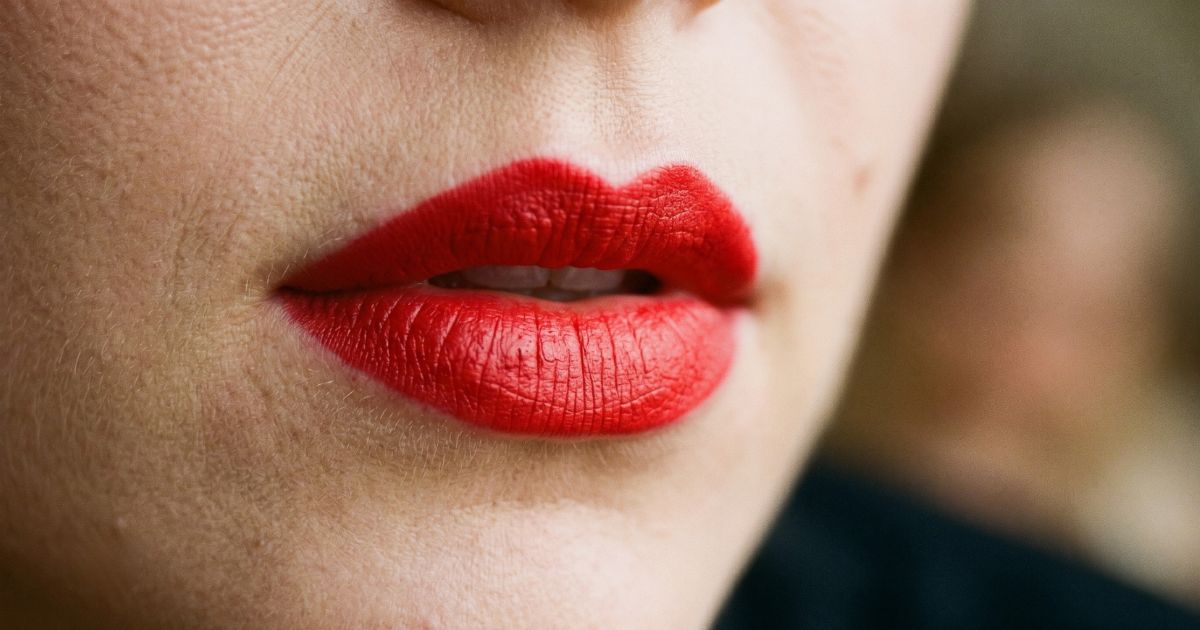
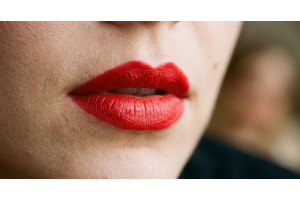
Few rumors have more staying power than this one: that your red lipstick is laced with lead. It surfaces every few years, usually with an alarming number attached, and it’s scary enough to make you eye your favorite tube with suspicion. So is red lipstick toxic, or is this an urban legend? The truth sits in the uncomfortable middle—there genuinely is a little lead in many lip products, but the picture is more reassuring (and more nuanced)
Why Your Lips Have No Sweat Glands (and What That Means for Care)
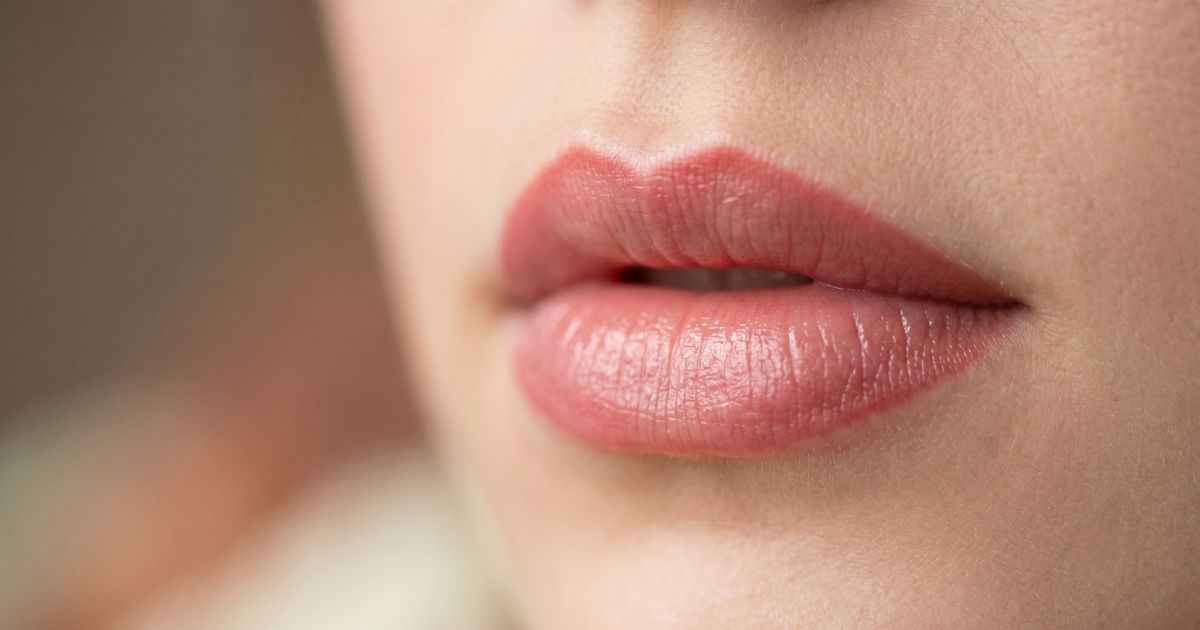
Your lips are doing a lot of quiet work—talking, eating, kissing, expressing every feeling your face has ever had—and they’re doing it with some genuinely strange equipment. Or rather, without it. A few lip anatomy facts that surprise almost everyone: your lips have no oil glands, no sweat glands, barely any of the pigment that protects the rest of your skin, and a density of nerve endings that rivals your fingertips. Once you know
The Sustainable Packaging Glossary: PCR, Bamboo, Sugarcane & More
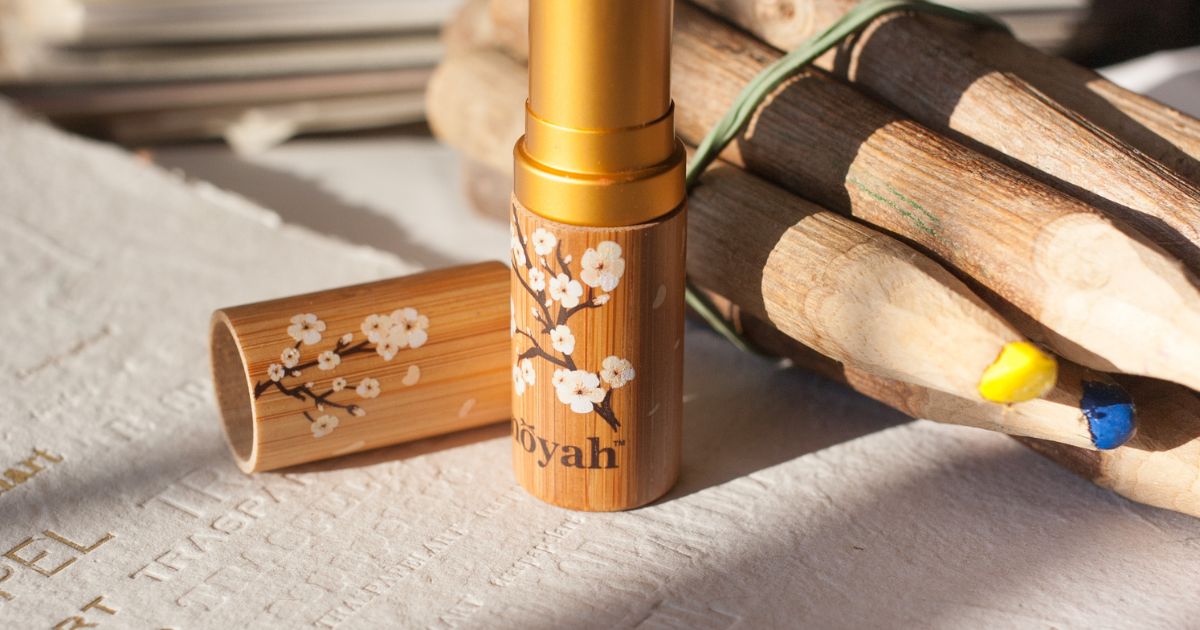
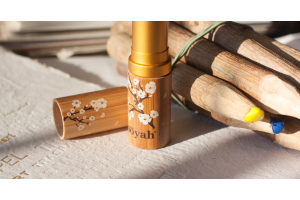
Beauty packaging has developed a whole vocabulary of green-sounding words—PCR, bioplastic, compostable, recyclable, biobased, ocean-bound—and most of us nod along without being totally sure what any of them mean. That’s a problem, because the gap between “sounds eco” and “actually helps” is where greenwashing lives. This is your plain-English glossary of sustainable cosmetic packaging: what each term really means, which ones do the
Is Carmine in Your Lipstick? The Bug-Based Pigment Explained
If you’re wearing a red, pink, or berry lip right now, brace yourself for a slightly unglamorous possibility: it might be colored with crushed insects. The pigment is called carmine, and it’s one of the most widely used red colorants in cosmetics—hiding in lipsticks, glosses, blushes, and eyeshadows from drugstore to luxury. So what is carmine, exactly, why is it in so much makeup, and how do you spot it on a label that would really rather
New Year, Cleaner Routine: How to Audit Your Lip Products
There’s something about January that makes us want to clean things out—drawers, inboxes, habits. Your lip products are a surprisingly satisfying place to start, because the bag, drawer, and coat pocket collection most of us have accumulated is usually equal parts treasures and mystery tubes of unknown age. Building a clean beauty routine doesn’t mean throwing everything away and starting over (please don’t). It means a quick, honest audit:


Validate your login
Create New Account