
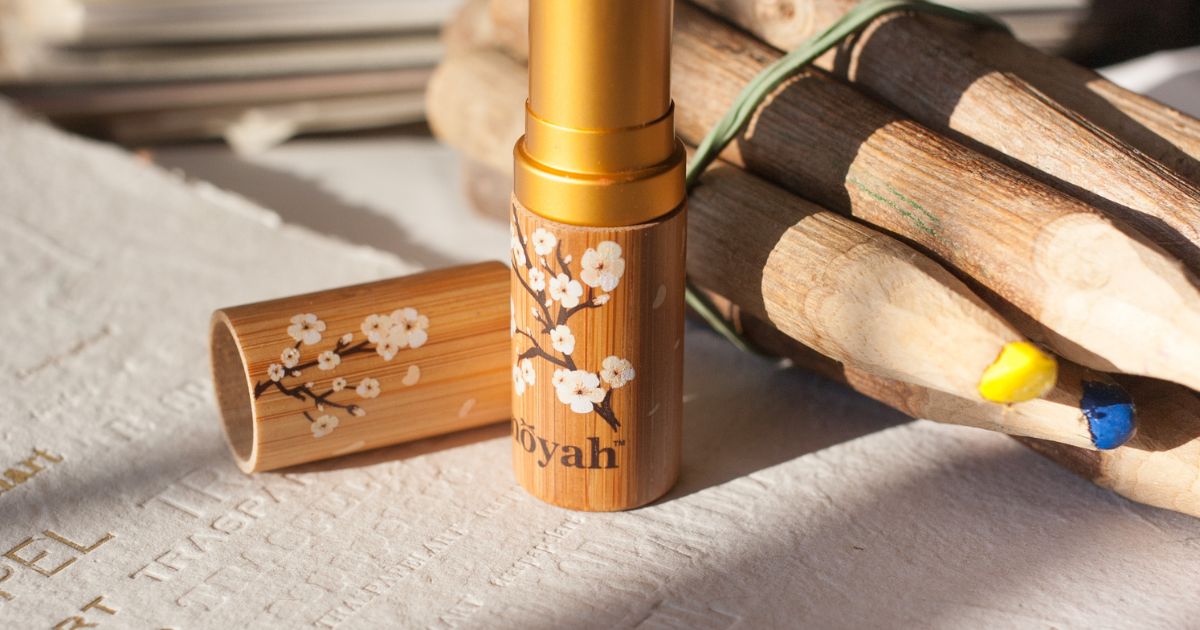
New Year, Cleaner Routine: How to Audit Your Lip Products
There’s something about January that makes us want to clean things out—drawers, inboxes, habits. Your lip products are a surprisingly satisfying place to start, because the bag, drawer, and coat pocket collection most of us have accumulated is usually equal parts treasures and mystery tubes of unknown age. Building a clean beauty routine doesn’t mean throwing everything away and starting over (please don’t). It means a quick, honest audit: keep what’s good, retire what isn’t, and get a little smarter about what you reach for next. Here’s a no-guilt, six-step way to do it.
One ground rule before we start: this is about being informed, not anxious. The goal isn’t to convince you everything in your bag is dangerous—it almost certainly isn’t. It’s to help you make choices you feel good about for the year ahead. Deep breath. Let’s tidy.
Step 1: Gather everything in one place
Every lip product you own—balms, lipsticks, glosses, liners, that tin from a holiday gift set. Check the obvious spots and the forgotten ones: handbags, coat pockets, the car, the bathroom drawer, the bottom of your gym bag. People are routinely surprised by how many they find. Lay them all out where you can see them. You can’t audit what’s still hiding in a jacket you haven’t worn since spring.
Step 2: Toss anything expired or ‘off’
This is the fastest win. As we covered in our guide to whether lip balm expires, lip products don’t last forever—and natural ones expire sooner. Check each one for the warning signs: a rancid or crayon-like smell, a grainy or separated texture, odd color changes, or anything that’s caused irritation. Look for the PAO symbol (the little open-jar icon with a number like “12M”) and be honest about how long you’ve had it.
If you can’t remember buying it and it predates a relationship or two, let it go. Anything that’s touched your lips during a cold or infection? Also gone—it can harbor bacteria. This step alone usually clears out a third of the pile, and it’s the one with the clearest health rationale.
Step 3: Read the labels on what’s left
Now flip over the survivors and actually read them. This is where a little knowledge pays off. The ingredient list is the one part of any label that’s legally required to be truthful—so trust it over the front-of-pack adjectives. As we explained in our piece on what ‘natural’ and ‘clean’ really mean, those words aren’t regulated, so they’re not doing the work you think they are. The ingredient list is.
You’re not looking to panic over every long word—plenty are harmless. You’re building awareness of what actually nourishes lips (plant oils and butters, simple waxes) versus what’s just filler. A short, recognizable list is a good sign. A scroll of the unpronounceable is a cue to at least ask why.
Step 4: Flag the irritants and gimmicks
Set aside anything built around a gimmick rather than your lips’ wellbeing. Top of the list: tingling lip plumpers and any product heavy on menthol, camphor, cinnamon, or strong fragrance. That tingle is irritation, and on thin, sensitive lip skin it can do more harm than good over time. You don’t have to bin these on the spot—but if a product leaves your lips drier than before, you’ve found something worth retiring.
Step 5: Notice the gaps
With the keepers narrowed down, look at what’s missing. The two most common gaps:
- A daily SPF lip product. Lips have almost no natural sun protection, and most people own zero lip products with SPF. This is the single most useful addition for long-term lip health—year-round, not just summer.
- A genuinely nourishing everyday balm. Not a tinted gloss that mostly sits on top, but a simple workhorse balm that actually moisturizes the lips that can’t moisturize themselves.
Knowing your gaps means your next purchase is intentional—filling a real need rather than adding the eleventh nearly-identical nude to the drawer.
Step 6: Build a routine you’ll actually keep
A clean lip routine is refreshingly low-maintenance—which is exactly why it sticks. The whole thing:
- Morning: A nourishing balm with SPF before the day starts. Protection and moisture in one step.
- Throughout the day: Reapply a simple balm as needed—after eating, drinking, or whenever lips feel tight. Keep one somewhere you’ll actually see it.
- Night: A richer layer of balm before bed, when lips repair without daytime interference.
- Occasionally: Gentle exfoliation (sparingly) to clear flakes and help balm absorb. Easy does it.
- Ongoing: Replace balms when they hit their PAO date, and read the label on anything new before it joins the drawer.
That’s genuinely it. No ten-step regimen, no fear required—just consistency with a few good products.
Where Noyah comes in
If your audit turns up a gap where a simple, nourishing balm should be, that’s squarely our thing. Our clean balms are built on a short list of recognizable ingredients—our classic is essentially four things you’d find in a kitchen—so the label passes the Step 3 test easily. They’re USDA Certified Organic, free of the menthol-and-fragrance irritants you’re retiring in Step 4, and made from food-grade ingredients, which matters given how much lip product everyone incidentally swallows.
But the real takeaway isn’t “buy our balm”—it’s “read your labels and keep it simple.” That’s the whole idea behind how we formulate: fewer, better ingredients you don’t have to think too hard about. Whatever you choose, a cleaner lip routine is one of the easier resolutions to actually keep—and a nice, low-stakes place to start the year.
Frequently asked questions
How do I start a clean beauty routine without replacing everything?
Audit rather than overhaul. Gather your products, toss anything expired or irritating, read the ingredient lists on what’s left, and only replace what you actually need. Starting from scratch is wasteful and unnecessary—most of your collection is probably fine.
How often should I replace my lip balm and lipstick?
Check the PAO symbol (open-jar icon with a number like ‘12M’). Most lip balms last 6–12 months after opening, with natural ones at the shorter end; lipsticks often last 1–2 years. Replace sooner if you notice an off smell, texture change, or any irritation, and discard anything used during an illness.
What ingredients should I look for in a clean lip product?
A short, recognizable list: plant oils and butters (coconut, shea, castor), simple waxes (beeswax, candelilla), and verified certifications like USDA Organic. Be cautious with menthol, camphor, cinnamon, and strong fragrances, which can irritate the thin skin of the lips.
Is SPF really necessary for lips?
Yes. Lips have very little melanin and therefore little natural UV defense, making them prone to sun damage year-round. A daily lip product with SPF is one of the most valuable additions to a lip-care routine, and a common gap in most people’s collections.
Validate your login
Create New Account