

The Real Difference Between “Natural,” “Organic,” and “Clean” Beauty
Walk down any beauty aisle and you’ll be promised a lot: natural this, clean that, organic everything. The words feel reassuring and roughly interchangeable, like synonyms for “good for you.” Here’s the uncomfortable truth that the natural vs. organic vs. clean beauty debate usually skips: most of those words mean whatever the brand wants them to mean. Only one of the three is backed by a legal standard and a third party checking the work. Knowing which is which turns you from a hopeful shopper into a genuinely informed one—so let’s pull each term apart.
First, the thing nobody tells you: cosmetics are barely regulated
Start here, because it reframes everything. In the US, the FDA does not approve cosmetics before they go on sale, and aside from color additives, it doesn’t evaluate or test them in advance. There’s no pre-market gatekeeper checking that a lip balm is what it claims to be. By many counts, only a small fraction of the thousands of ingredients used in cosmetics have ever been formally assessed for safety, and very few are actually banned.
That regulatory gap is the whole reason “clean beauty” became a movement in the first place—shoppers trying to self-protect in a category that doesn’t do much protecting for them. It’s also why marketing words rushed in to fill the vacuum. When no one’s defining the terms, brands define them however flatters the product. So let’s define them properly.
“Natural”: the word that means almost nothing
“Natural” is the most used and least meaningful word on the shelf. In the US, it has no legal or regulatory definition for cosmetics. None. A brand can print “natural” on a product that’s mostly synthetic and face no consequence for it, because there’s no standard to violate.
That doesn’t make every “natural” product dishonest—plenty are genuinely plant-based. It just means the word itself is a vibe, not a verification. “Natural” tells you what the brand wants you to feel; it tells you nothing reliable about what’s in the bottle. Treat it as the beginning of a question (“natural… according to whom, and by what measure?”), never as an answer.
“Clean”: a real philosophy, but still a DIY definition
“Clean beauty” is the newer darling, and it’s a bit more substantive—but it has the same fundamental problem: no universal legal definition. Neither the FDA nor the FTC has defined “clean” for cosmetics. Instead, every retailer and brand has invented its own version, usually a “free-from” list of ingredients they’ve chosen to exclude.
This is why one store’s “clean” standard can look completely different from another’s, and why a product can be “clean” at one retailer and not qualify at the one next door. The concept—formulating without ingredients a brand considers questionable—is reasonable and often well-intentioned. But “clean” is a promise the brand makes to itself. The useful move is to ignore the badge and read the actual “free-from” list: clean of what, exactly? That’s the part that carries information.
“Organic”: finally, a word with rules
Here’s the exception. “Organic,” specifically USDA Certified Organic, is the one term in this lineup with a real, enforceable standard behind it. The USDA oversees the National Organic Program, and for a product to carry the certified USDA Organic seal, it must be made of 95% or more certified-organic agricultural ingredients—ingredients grown without prohibited substances like synthetic pesticides and fertilizers, with no GMOs, on land held to those standards for years before harvest.
Crucially, it’s verified by an accredited third-party certifier, not self-declared. That’s the difference that matters: “organic” with the official seal has been checked by someone other than the company selling it. Watch the wording, though, because the rules are tiered. “100% organic” and “organic” (95%+) earn the seal; “made with organic [ingredient]” signals a lower bar (around 70%) and can’t use the seal the same way; and “organic lavender” buried in an ingredient list might mean only a sliver of the formula is actually organic. The seal is the thing to look for. The word floating alone is not.
One honest caveat, because we don’t do magic words here: organic certification covers the agricultural ingredients and how they were grown. It doesn’t automatically mean the packaging is sustainable, or that every last processing aid is plant-derived. It’s a strong, verified signal about one important thing—not a halo over everything.
The quick decoder
|
Term |
Legally defined? |
What it actually tells you |
How to use it |
|
Natural |
No standard at all |
Almost nothing—pure marketing vibe |
Ignore; read the ingredients |
|
Clean |
No—brand/retailer self-defines |
A ‘free-from’ list set by the seller |
Ask: clean of what? Read the list |
|
Organic (USDA seal) |
Yes—95%+, third-party verified |
Ingredients grown to a real standard |
Trust the seal; check the tier |
Bonus terms you’ll see right next to these
Three more words travel in this pack, and they answer different questions:
- Cruelty-free: not tested on animals. A real and meaningful claim, though also not federally standardized in the US—third-party certifications (like Leaping Bunny) add rigor.
- Vegan: contains no animal-derived ingredients. As we covered in our wax guide, vegan and cruelty-free are NOT the same—a product can be one without the other.
- Non-toxic / chemical-free: scientifically shaky. Everything is chemicals (water included), and ‘non-toxic’ has no agreed definition. Treat with suspicion.
How to actually read a beauty label
If the front of the package is mostly mood lighting, the back is where the truth lives. A practical routine:
- Look for verified seals, not bare adjectives. A USDA Organic seal or a third-party certification means someone checked. The words ‘natural’ and ‘clean’ on their own do not.
- Read the actual ingredient list. It’s the one part of the label that’s legally required to be truthful. Short and recognizable beats a long scroll of the unpronounceable.
- Decode ‘organic’ wording. Seal-bearing ‘organic’ (95%+) is strong; ‘made with organic X’ is weaker; a lone ‘organic’ ingredient is the weakest signal of all.
- Match the claim to your actual concern. Avoiding animal products? You need ‘vegan,’ not ‘cruelty-free.’ Worried about farming inputs? ‘Organic.’ Don’t let one word stand in for all of them.
- Be skeptical of words with no referent. ‘Clean of what?’ ‘Natural by whose definition?’ If the claim can’t be checked, weight it accordingly.
Where Noyah lands
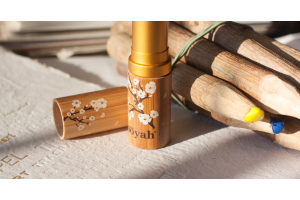
We use the word “natural” ourselves—it’s genuinely useful shorthand—but we try not to lean on it as if it proves anything. What we lean on instead are the claims that can actually be checked. Our lip balms are USDA Certified Organic, which means that 95%+ standard and the third-party verification behind it, not just a reassuring adjective. They’re also USDA Certified Biobased—another certification that’s independently verified rather than self-awarded.
And we’ll keep being precise about the rest, even when it costs us a tidy marketing line: our balms are cruelty-free but not vegan, because they contain beeswax. We’d rather you read the ingredient list—which, for our classic balm, is four things you could find in a kitchen—than take any single buzzword on faith. That’s the whole reason we bothered with real certification in the first place.
Frequently asked questions
Is “natural” a regulated term in beauty products?
No. In the US, “natural” has no legal or regulatory definition for cosmetics. A brand can use it on a largely synthetic product without breaking any rule, because there’s no standard governing it. Read the ingredient list rather than trusting the word.
What’s the difference between “clean” and “organic” beauty?
“Clean” has no universal legal definition—each brand or retailer sets its own ‘free-from’ criteria. “Organic,” when it carries the USDA Certified Organic seal, is legally defined: at least 95% certified-organic agricultural ingredients, verified by an accredited third party. One is self-defined; the other is independently checked.
Does USDA Organic mean a product is 100% organic?
Not exactly. The USDA Organic seal requires 95% or more certified-organic ingredients; “100% organic” is a separate, higher tier. “Made with organic [ingredient]” indicates a lower threshold (around 70%) and can’t display the seal the same way. The wording tells you the tier.
Which beauty label claims can I actually trust?
Trust claims that are verified by a third party—like the USDA Organic seal or recognized cruelty-free certifications—over self-declared adjectives like “natural,” “clean,” or “non-toxic.” And always read the ingredient list, which is the one part of the label legally required to be accurate.
Validate your login
Create New Account