
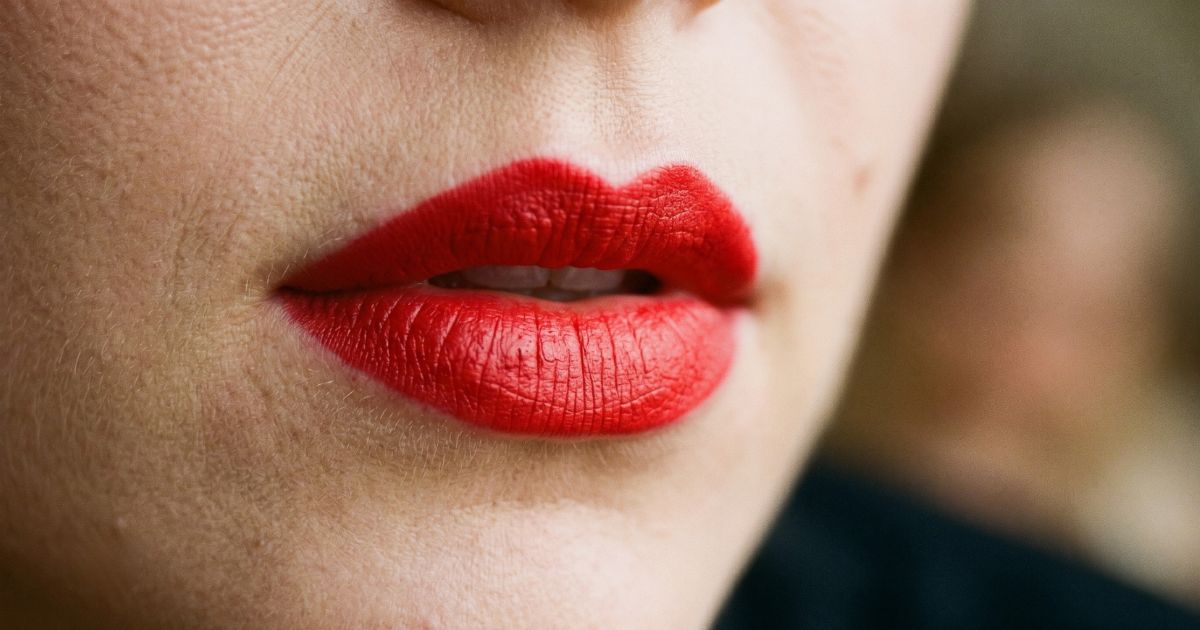
What Makes a Red Lipstick “Clean”? Pigments, Lead & the Truth
Few rumors have more staying power than this one: that your red lipstick is laced with lead. It surfaces every few years, usually with an alarming number attached, and it’s scary enough to make you eye your favorite tube with suspicion. So is red lipstick toxic, or is this an urban legend? The truth sits in the uncomfortable middle—there genuinely is a little lead in many lip products, but the picture is more reassuring (and more nuanced) than the headlines. Here’s the honest breakdown, and what “clean” actually means when it comes to a red lip.
First, the lead question, answered straight
Yes, lead turns up in lipstick—but not because anyone adds it. Lead is a naturally occurring metal found in air, water, and soil, so it shows up as a trace contaminant in some of the mineral pigments used for color, particularly reds. No reputable manufacturer is putting lead in lipstick on purpose; it hitches a ride on the raw ingredients.
The amounts matter enormously, and here the data is genuinely reassuring. The FDA has tested hundreds of lip products over multiple surveys and found lead at very low levels—early surveys averaged around 1 ppm, with later testing of hundreds of products finding more than 99% came in below 10 parts per million. The FDA recommends 10 ppm as the maximum for lip products and has concluded that, at that level, incidental ingestion of lipstick does not pose a health risk—the exposure is so small it can’t even be detected in routine blood testing. So the “your lipstick is poisoning you” framing badly overstates it.
The honest counterpoint, because there is one
We’re not going to pretend the story ends with a tidy “all clear,” because reasonable people raise fair concerns. The most important one: there is no known safe level of lead exposure. Lead is a cumulative neurotoxin, and “the dose is tiny and poses no measurable risk” is a different statement from “there is zero lead.” For most adults using lipstick normally, the trace amounts are not a meaningful worry. But the precautionary instinct—why ingest any avoidable lead at all, every day, for decades?—is a legitimate one, not paranoia.
A few other honest caveats. The FDA’s 10 ppm is guidance, not a hard legal limit, and cosmetics aren’t pre-approved before sale. Independent testing has occasionally found higher levels in specific products—often cheaper ones—and lead isn’t the only metal that has shown up in studies of lip color. None of this means a panic is warranted; it means “mostly safe, mostly of the time” is the accurate phrase, and it’s reasonable to want better than “mostly” for something you eat a little of daily.
Why red is the color this comes up with
Red gets singled out for a reason. Achieving a deep, true red takes more pigment, and some of the mineral and color additives that produce rich reds are exactly where trace metals tend to ride along. The color itself is also worth understanding: as we covered in our piece on what’s creating that red, reds come from a mix of sources—iron oxides, synthetic lakes, carmine (the insect-derived one), and plant pigments—each with its own tradeoffs in safety, ethics, and performance. “Clean red” isn’t one thing; it’s a series of choices about which pigments and which raw-material quality a brand is willing to pay for.
So what does a “clean” red lipstick actually mean?
Here’s the catch you may have seen coming: as we’ve written before, “clean” has no legal definition for cosmetics. So “clean red lipstick” means whatever the brand decides—there’s no certifying body checking it. That doesn’t make the term worthless, but it does mean you have to look past the word to the substance behind it. A red worth calling clean generally reflects:
- Carefully sourced pigments and good manufacturing practices that keep trace-metal contamination low (the FDA notes manufacturers can stay well under 10 ppm if they’re careful about ingredient selection).
- A short, transparent ingredient list you can actually read.
- Clarity about what creates the color—and honesty about tradeoffs (vegan vs. not, synthetic vs. mineral).
- No reliance on the irritant or questionable add-ins that have nothing to do with color in the first place.
How to choose a red you feel good about
- Read the ingredient list, not the front of the box. It’s the one legally truthful part of the label. Short and recognizable beats a long scroll.
- Be a little wary of suspiciously cheap reds. Independent testing has tended to find the highest metal levels in the cheapest products. Price isn’t a guarantee, but rock-bottom is a yellow flag.
- Decide what ‘clean’ means to you. Lowest possible contaminants? Vegan pigments? Both? Knowing your own priority makes the label easier to judge.
- Don’t panic about your current lipstick. For normal adult use, the trace lead in a compliant product is a very small risk. This is about informed preference, not fear.
Where Noyah comes in
Our honest contribution to the red-lipstick question is the same thing we offer on every topic: simplicity and transparency, not scare tactics. We’re not going to tell you mainstream red lipstick is poisoning you—the evidence doesn’t support that, and we’d rather be accurate than alarming. What we will say is that the fewer and simpler the ingredients, and the more transparent the brand, the less you have to wonder about in the first place. Since you do swallow a little of any lip product, “less to wonder about” has real value.
That’s the thinking behind keeping our natural lipstick formulas short and our approach plain. Not because a red lip is dangerous, but because the most reassuring answer to “what’s in this?” is a list short enough to actually answer.
Frequently asked questions
Is there lead in red lipstick?
Often a trace amount, yes—but it’s a contaminant from natural mineral pigments, not an added ingredient. FDA testing found that over 99% of lip products on the US market contain lead below its recommended maximum of 10 ppm, a level the agency says poses no health risk from normal use.
Is red lipstick toxic or safe to wear?
For normal adult use, compliant red lipstick is considered safe by the FDA—the incidental amount of lead ingested is too small to measure in blood testing. The honest caveat is that there’s no known ‘safe’ level of lead, so some people reasonably prefer to minimize even trace exposure.
What makes a red lipstick ‘clean’?
There’s no legal definition, so it varies by brand. In practice, a genuinely clean red reflects carefully sourced pigments and good manufacturing that keep trace metals low, a short and transparent ingredient list, and honesty about what creates the color and its tradeoffs.
Why does red lipstick specifically get flagged for lead?
Deep reds require more pigment, and some of the mineral and color additives used to achieve rich reds are where trace metals like lead tend to appear as contaminants. That’s why the concern centers on reds more than, say, clear balms.
Validate your login
Create New Account