
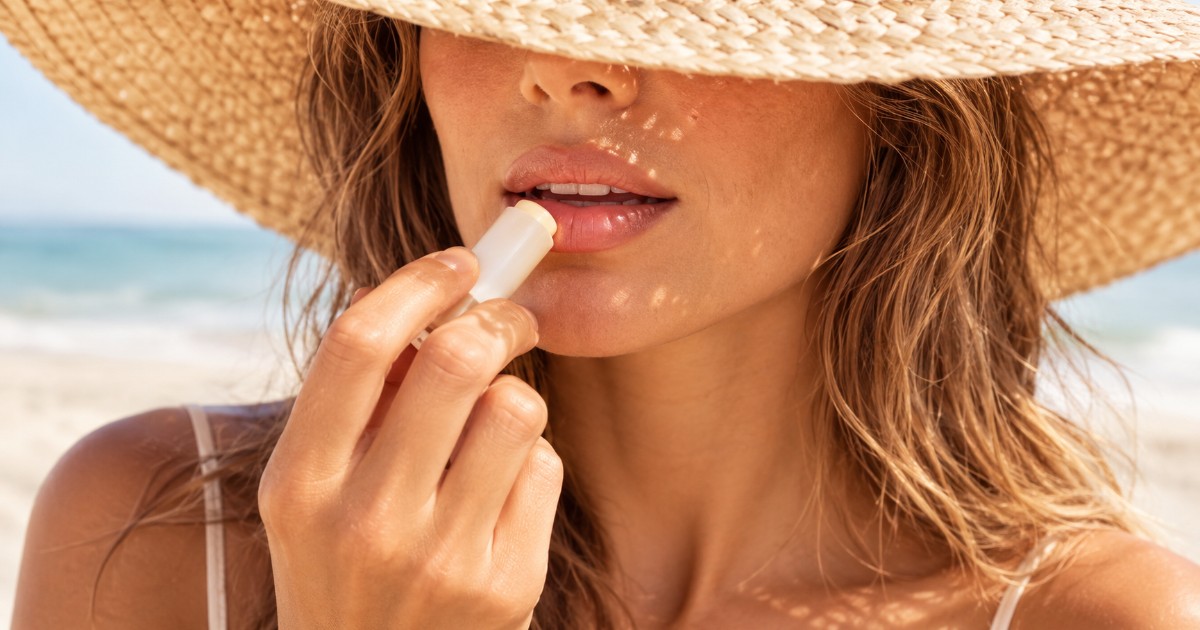
Do Your Lips Need Sunscreen? Lip SPF, Sunburned Lips & What Actually Works
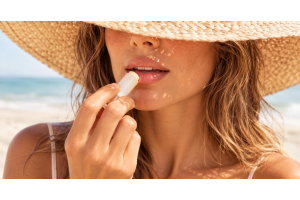
You'd never spend a July afternoon at the beach without sunscreen on your face. But your lips? Most of us swipe on a gloss, maybe a balm, and call it done—then wonder why they feel tight, swollen, and peely the next morning. So do your lips need sunscreen? Short answer: yes, arguably more than the skin around them. Here's why lips burn so easily, what to look for in a lip sunscreen, and what to do if you've already overdone it.
The quick answer: Yes, your lips need sunscreen. Lip skin is thin and has almost no melanin, so it burns easily, and years of sun on unprotected lips can cause precancerous damage, mostly on the lower lip. Dermatologists recommend a lip balm with SPF 30 or higher, reapplied every two hours outdoors and after eating or drinking.
Yes, your lips can get sunburned (and faster than you think)
As we covered in our piece on why your lips have no sweat glands, lip skin is built differently from the rest of your face. It's thinner, it has almost no melanin—the pigment that gives the rest of your skin some built-in sun defense—and it has no oil glands to help it bounce back. Your lips are pink precisely because they're so thin you're seeing the blood vessels underneath.
That combination makes them easy to burn and slow to recover. And because lips stick out (literally), they catch sun at angles that a hat brim often misses—especially the lower lip, which faces up toward the sky and gets the most exposure.
Why it matters beyond a sore summer pout
A sunburned lip is uncomfortable, but the bigger reason dermatologists care is the long game. Years of sun on unprotected lips can lead to actinic cheilitis—dry, scaly, rough patches, usually on the lower lip—which is considered precancerous. Lip cancers are relatively uncommon, but they're overwhelmingly linked to sun exposure and show up far more often on the lower lip than the upper one.
Sun can also be a trigger for cold sores in people who get them, and it dries out lips that are already prone to chapping (more on that in why lips get chapped).
None of this is meant to scare you off the patio. It's simply that lips are the spot almost everyone forgets—so a tiny habit change goes a long way.
What the dermatologists actually recommend
The American Academy of Dermatology keeps this refreshingly simple: to protect your lips, use a lip balm with SPF 30 or higher, and reapply every two hours outdoors—and right after swimming, sweating, eating, or drinking. That last part is the one most people miss. Every coffee, every bite of a sandwich, every sip from a water bottle takes some of your lip sunscreen with it.
A few practical rules that follow from that:
- SPF 30 or higher. Lower numbers on a lip product don't hold up long once you start talking and eating.
- Reapply more than you think. Lips need topping up more often than your face, not less.
- Wear it year-round. Snow, water, and high altitude all reflect UV. Ski trips are notorious for burned lips.
- Add shade. A wide-brimmed hat does more for your lips than a baseball cap, which leaves the lower face exposed.
Mineral vs. chemical lip sunscreen
Lip SPF products use the same two families of UV filters as regular sunscreen:
- Mineral (physical) filters: zinc oxide and titanium dioxide. They sit on the surface and reflect and scatter UV. They can leave a slight white cast, which on lips often reads as a paler, chalky tint. In its proposed update to sunscreen rules, the FDA identified these two as the only active ingredients with enough data to be considered generally safe and effective.
- Chemical (organic) filters: ingredients like avobenzone, octinoxate, or homosalate. They absorb UV rather than reflect it, and they tend to go on clear. Some people find them more irritating on lips, and since you swallow a little of anything you put on your mouth, many people prefer to keep their lip products as simple as possible.
| Mineral lip sunscreen | Chemical lip sunscreen | |
|---|---|---|
| Active ingredients | Zinc oxide, titanium dioxide | Avobenzone, octinoxate, homosalate, others |
| How it works | Sits on top and reflects/scatters UV | Absorbs UV |
| Finish on lips | Can leave a slight white or pale tint | Usually clear |
| Best for | Sensitive or easily irritated lips | People who want no tint |
| Reapply | Every 2 hours and after eating or drinking | Every 2 hours and after eating or drinking |
There's no single right answer here—the best lip sunscreen is the one you'll actually reapply. But if your lips are sensitive, a fragrance-free mineral formula is usually the gentlest place to start.
"Does my lipstick count as sun protection?"
This is the question we get every summer, so let's be straight about it.
An opaque lipstick does put a physical layer of pigment between your lips and the sun, and that's better than nothing. Sheer glosses are a different story—a shiny, transparent layer can actually let more light through, and some dermatologists warn that high-shine glosses without SPF may intensify UV exposure, a bit like baby oil on a sunbather.
But "better than nothing" isn't the same as sunscreen. Unless a product has been tested and labeled with an SPF, you have no way of knowing how much protection it gives—and in the US, sunscreen is regulated by the FDA as an over-the-counter drug, not as a cosmetic. That's exactly why a brand can't (and shouldn't) suggest its lipstick protects you from the sun unless it has gone through that testing.
So for a long day outside: SPF first, color on top.
How to layer SPF with your favorite lip color
- Start with a lip SPF (30+) and let it set for a minute or two.
- Blot lightly with a tissue if it feels slippery—this helps color grip.
- Apply your lipstick or gloss on top. A semi-matte lipstick tends to hold up better over SPF balm than a slick gloss does.
- Reapply SPF every couple of hours, or after eating, and touch up color after.
If you're at the beach or by the pool all day, honestly consider skipping the high-shine gloss until the sun goes down.
Already burned? How to soothe sunburned lips
- Cool it down. A cool, damp cloth pressed gently against your lips helps with heat and swelling.
- Hands (and teeth) off. Don't peel, pick, or bite flaking skin. It's tempting. It slows healing.
- Stop licking. Saliva evaporates and leaves lips drier than before.
- Skip the tingle. Menthol, peppermint, camphor, cinnamon, and strong flavors can sting on burned skin. The AAD's chapped-lip guidance also recommends fragrance-free products while lips are irritated.
- Moisturize once the heat is gone. A simple, unflavored balm helps keep healing skin from cracking.
- Get it checked if you see significant blistering or swelling, or if a rough or scaly spot on your lip doesn't heal after a few weeks.
Where noyah comes in
We'll be honest with you, because it's the whole point of how we make things: our lip balms and lipsticks don't contain SPF, and we don't claim they protect you from the sun. Adding SPF would turn a lip balm into an over-the-counter drug with a very different ingredient list—and our balms are made from just four to six organic ingredients on purpose.
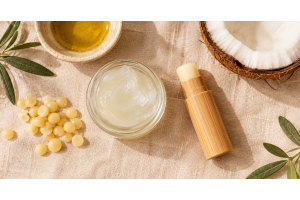
What we're good for is everything around the sunscreen. Our Organic Unscented Lip Balm is four USDA Certified Organic ingredients—coconut oil, beeswax, extra virgin olive oil, and stevia—with no fragrance or flavor, which makes it a gentle pick for evenings after a sunny day, or for lips that are recovering from a burn. (Our spearmint balm contains menthol, so we'd save that one for after your lips have healed.)
Our natural lipsticks are semi-matte and made with mineral pigments, so they layer nicely over a lip sunscreen without sliding around. Use them for color, and let your SPF handle the sun.
One more tip: heat is hard on natural balms. Keep yours out of a hot car and a beach bag sitting in the sun—natural formulas don't have the synthetic stabilizers that keep conventional balms firm (more on that in does lip balm expire?).
Frequently asked questions
Do lips need sunscreen? Yes. Lips have very little melanin and thin skin, so they burn easily, and long-term sun exposure is linked to actinic cheilitis and lip cancer, especially on the lower lip. Dermatologists recommend a lip balm with SPF 30 or higher, reapplied every two hours outdoors and after eating or drinking.
Can your lips get sunburned? Absolutely. Sunburned lips look swollen, red, tight, or blistered and usually peel a few days later. The lower lip is most at risk because it faces upward toward the sun.
Is mineral or chemical lip sunscreen better? Both work if you apply enough and reapply often. Mineral filters (zinc oxide, titanium dioxide) are often gentler on sensitive lips but can leave a slight white tint. Chemical filters usually go on clear. Pick the one you'll actually keep using.
Does lipstick protect your lips from the sun? An opaque lipstick provides a physical layer that's better than bare lips, but it isn't a substitute for sunscreen unless it's labeled with a tested SPF. Sheer, high-shine glosses without SPF may offer little to no protection.
What should I put on sunburned lips? Start with a cool compress, avoid licking and picking, and skip menthol, peppermint, and fragrance while lips are tender. Once the heat has faded, a simple unscented balm helps keep healing skin from cracking. See a doctor for severe blistering or a spot that doesn't heal.
Shop the post: Organic Unscented Lip Balm for after-sun comfort · Natural lipsticks to wear over your SPF
Sources
- American Academy of Dermatology, How to apply sunscreen
- American Academy of Dermatology, 7 dermatologists' tips for healing dry, chapped lips
- U.S. Food and Drug Administration, Sunscreen: How to help protect your skin from the sun
This article is for general information and isn't medical advice. See a dermatologist about any lip changes that don't heal.
Please complete your information below to login.
Create New Account